How Neurofeedback Helps Your Brain Learn Better
"Neurofeedback is really just guided intensive brain exercise. It's like giving the brain a mirror so it can self-correct and improve its function."
— Katie Packwood, NTP, CBT
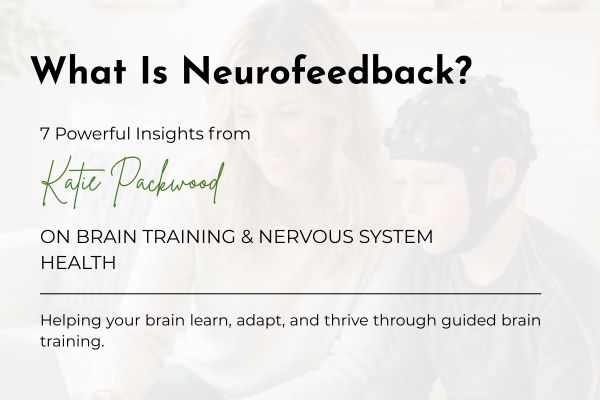
What Is Neurofeedback? 7 Powerful Insights from Katie Packwood on Brain Training & Nervous System Health
Introduction
Neurofeedback has become an increasingly recognized approach to supporting brain health, yet many people still ask the same question:
What exactly is neurofeedback, and how does it work?
During a recent live interview, Katie Packwood shared how neurofeedback helps the brain recognize its own patterns and gradually become more efficient. Rather than forcing change, neurofeedback provides real-time feedback that allows the brain to learn, adapt, and improve naturally over time.
Whether you're experiencing anxiety, chronic stress, ADHD, poor sleep, or simply looking to improve your cognitive performance, understanding how your brain works is often the first step toward lasting change.
Featured Interview
Watch the complete conversation here:
1. Neurofeedback Is Like Giving Your Brain a Mirror
One of Katie's simplest—and most memorable—explanations compares neurofeedback to learning how to dance.
Imagine practicing in front of a mirror.
The mirror doesn't move your body or tell you what to do. Instead, it shows you what's happening so you can naturally adjust your movements.
Neurofeedback works the same way.
Instead of reflecting your body, it reflects your brain's activity. Through visual and auditory feedback, your brain begins recognizing inefficient patterns and gradually learns healthier, more balanced ones.
Key Takeaway: Neurofeedback doesn't force the brain to change—it helps the brain learn to regulate itself.
2. Brain Training Can Support More Than Just Anxiety
Although many people first hear about neurofeedback for anxiety or ADHD, Katie explained that it can benefit a much wider range of concerns involving the brain and nervous system.
People often seek neurofeedback support for:
Anxiety
PTSD
ADHD
Emotional regulation
Insomnia
Focus and concentration
Peak performance
Stress resilience
Because neurofeedback focuses on improving overall brain function, clients frequently notice positive changes in multiple areas of life—not just the issue that initially brought them in.
3. Lasting Change Happens Through Practice
One of the biggest misconceptions about neurofeedback is expecting immediate results after one or two sessions.
Katie compares brain training to learning how to ride a bicycle.
At first, your brain consciously works to maintain balance. With repetition, however, those movements become automatic.
The brain learns through consistent practice.
Similarly, neurofeedback encourages healthier brain patterns through repeated training sessions. Many people begin noticing improvements within the first several sessions, while continued training helps reinforce those changes over time.
Key Takeaway: Neurofeedback isn't a quick fix—it's a learning process that creates lasting change.
4. Better Brain Regulation Leads to Better Decisions
When the nervous system is overwhelmed by chronic stress, our brains often default to survival mode.
Katie explains that during these moments, it becomes harder to think clearly, manage emotions, and make thoughtful decisions. Instead, we tend to react automatically.
As the brain becomes better regulated, many people experience:
Greater emotional resilience
Improved focus
Better stress management
Increased mental clarity
More confidence
Healthier responses under pressure
Rather than reacting impulsively, the brain becomes more capable of pausing, processing, and responding intentionally.
5. Katie's Personal Journey Into Neurofeedback
Katie's journey into neurofeedback began through her own search for answers.
After experiencing personal health challenges, she became a Nutritional Therapy Practitioner and spent years helping people improve their health through nutrition and lifestyle changes.
During that time, she noticed a recurring pattern:
Many physical symptoms were closely connected to unresolved stress and emotional trauma.
That realization eventually led her to discover neurofeedback—a technology she had never heard of before attending a conference.
Although she didn't fully understand it at first, she trusted her intuition, invested in the equipment, and began helping clients.
Years later, watching clients transform confirmed that she had found the work she was meant to do.
Key Takeaway: Sometimes the most meaningful career paths begin with personal healing.
6. Helping Children Build Stronger, More Resilient Brains
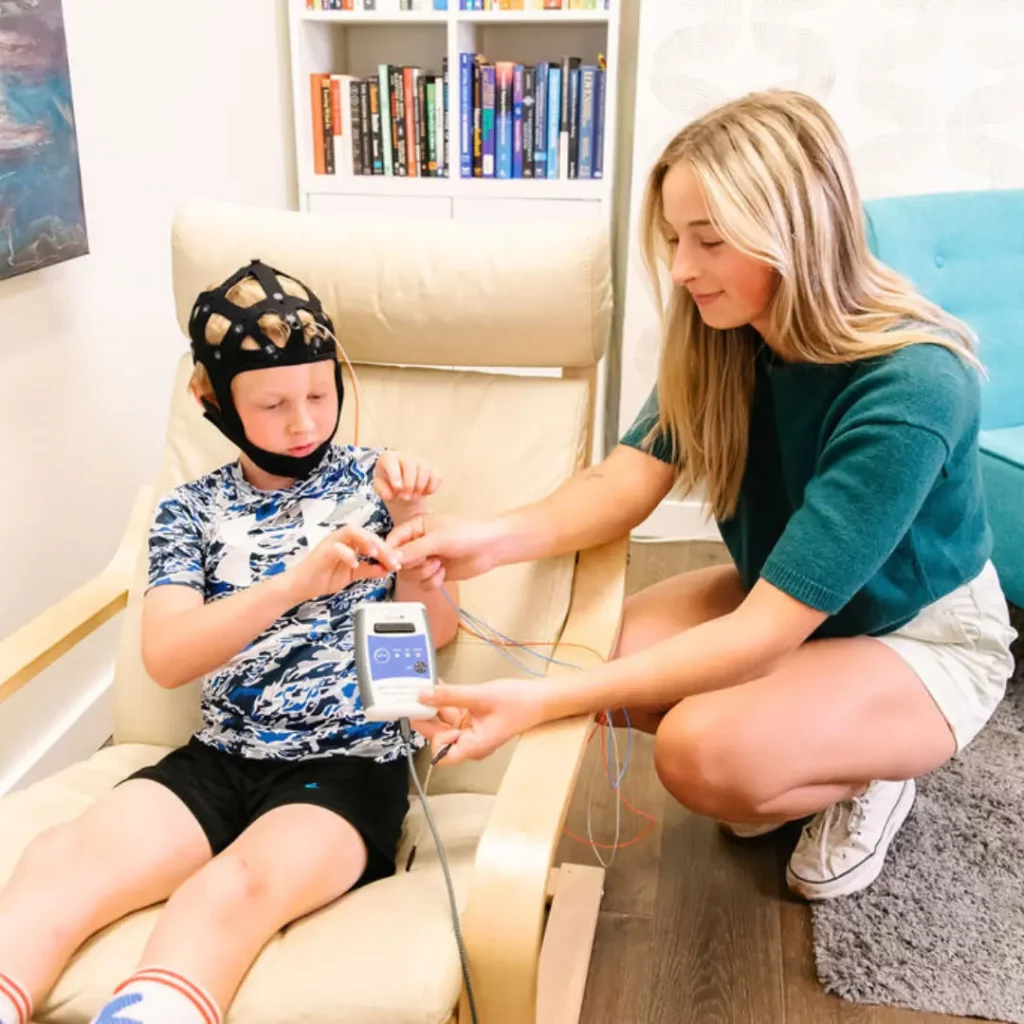
One of the most inspiring parts of the interview focused on Katie's work with children.
She believes many children who struggle with anxiety, attention challenges, emotional outbursts, or behavioral issues aren't "bad kids."
Instead, many are living with overwhelmed nervous systems that haven't yet learned healthy regulation.
Parents often tell Katie that after neurofeedback, it's as though their child has developed a "pause button."
Instead of reacting immediately, children become better able to process situations before responding—creating calmer relationships at home and at school.
Key Takeaway: Helping a child regulate their nervous system often benefits the entire family.
7. A Vision for Healthier Communities
Katie's mission extends beyond individual appointments.
She dreams of making neurofeedback more accessible to families, schools, veterans, and communities where chronic stress and trauma affect daily life.
Her vision isn't simply helping people feel better.
It's helping people better understand their brains so they can build healthier relationships, stronger emotional resilience, and brighter futures.
Final Thoughts
"Neurofeedback isn't about changing who you are. It's about helping your brain function more efficiently so you can experience greater clarity, resilience, and well-being."
As Katie shared throughout the interview, when the brain learns healthier patterns, positive changes often extend far beyond the original reason someone sought help. Whether it's improved focus, better sleep, emotional regulation, or greater confidence under pressure, neurofeedback offers an opportunity for the brain to do what it naturally does best—learn.